India generates millions of tonnes of plastic waste annually. However, this challenge is giving rise to a massive economic opportunity. Recycling is shifting from an unorganized green activity into a highly structured, capital-intensive manufacturing sector.
The Shift to a Circular Economy
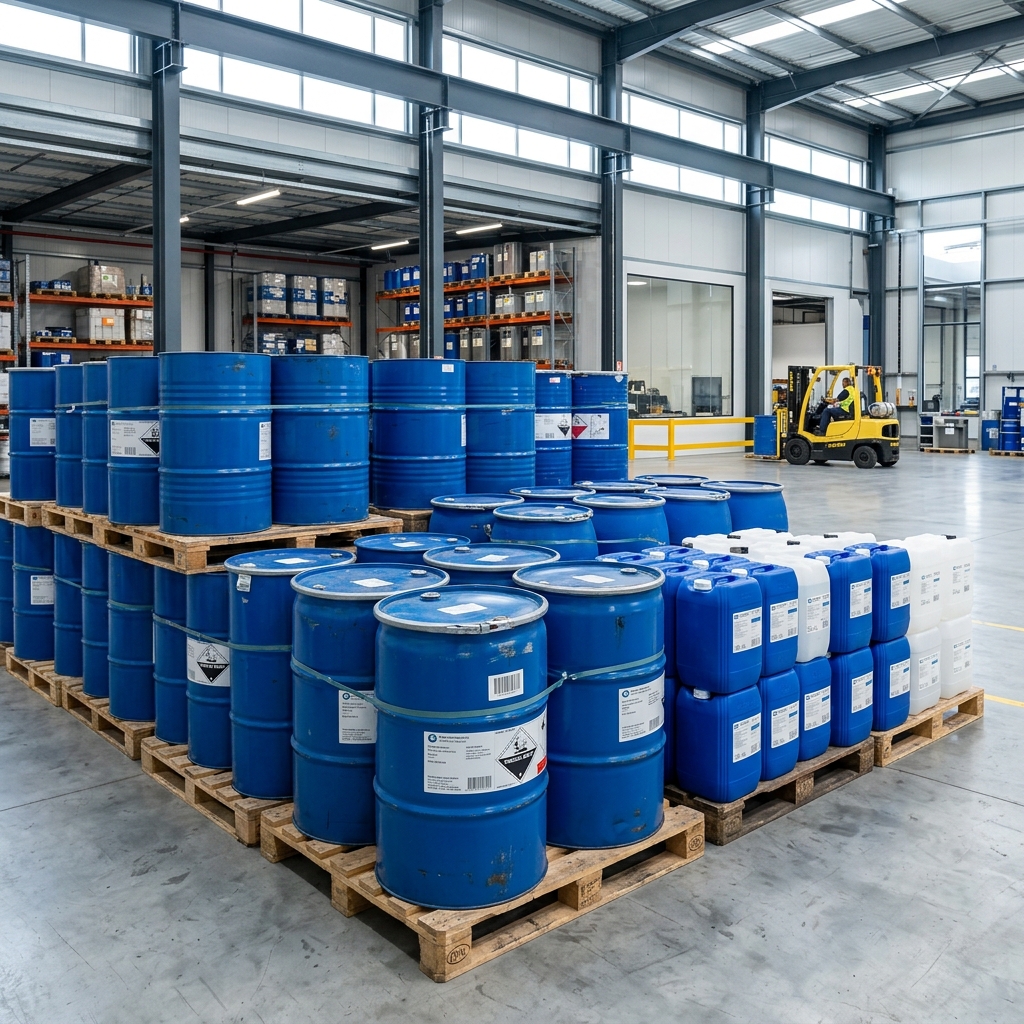
The traditional linear model of "take, make, dispose" is being replaced by a circular economy framework. In this model, waste HDPE blue drums, jerry cans, and rigid plastics are no longer considered trash. Instead, they are treated as valuable secondary raw materials to be re-entered into manufacturing loops.
Drivers of Market Growth
- Strict Regulatory Pressure: EPR mandates and CPCB guidelines are forcing industries to adopt circular supply chains.
- Corporate Sustainability Demands: Major consumer brands are pledging to include high percentages of recycled polymers in their packaging.
- Supply Chain Volatility: Reprocessed HDPE granules shield manufacturers from fluctuating virgin polymer pricing tied to crude oil markets.
High Demand for Reprocessed HDPE & PP
HDPE and PP are the most widely consumed polymers due to their excellent strength-to-weight ratio and chemical resistance. Mechanical recycling plants in India are scaling up processing capacities to meet the heavy demand from packaging and molded goods manufacturers looking to source high-purity recycled raw materials.
Forge Renewables’ Outlook
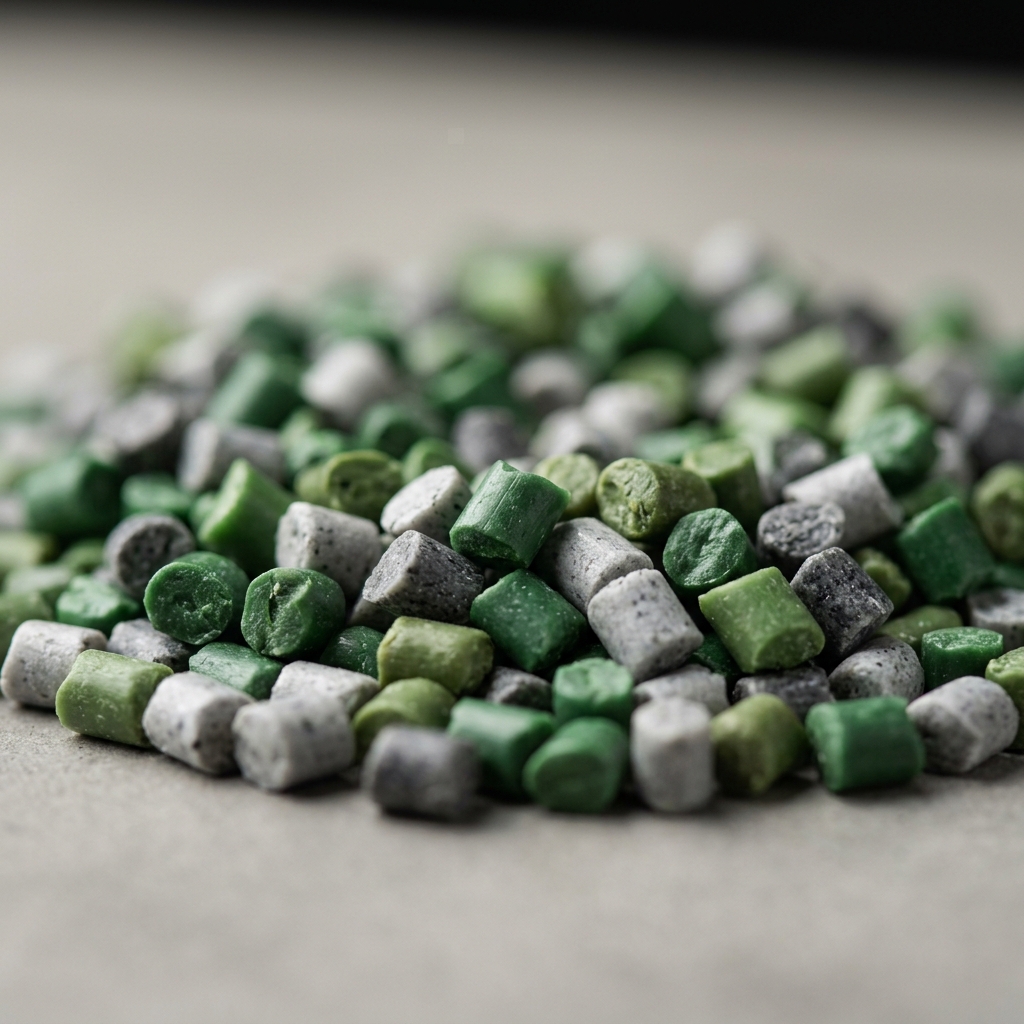
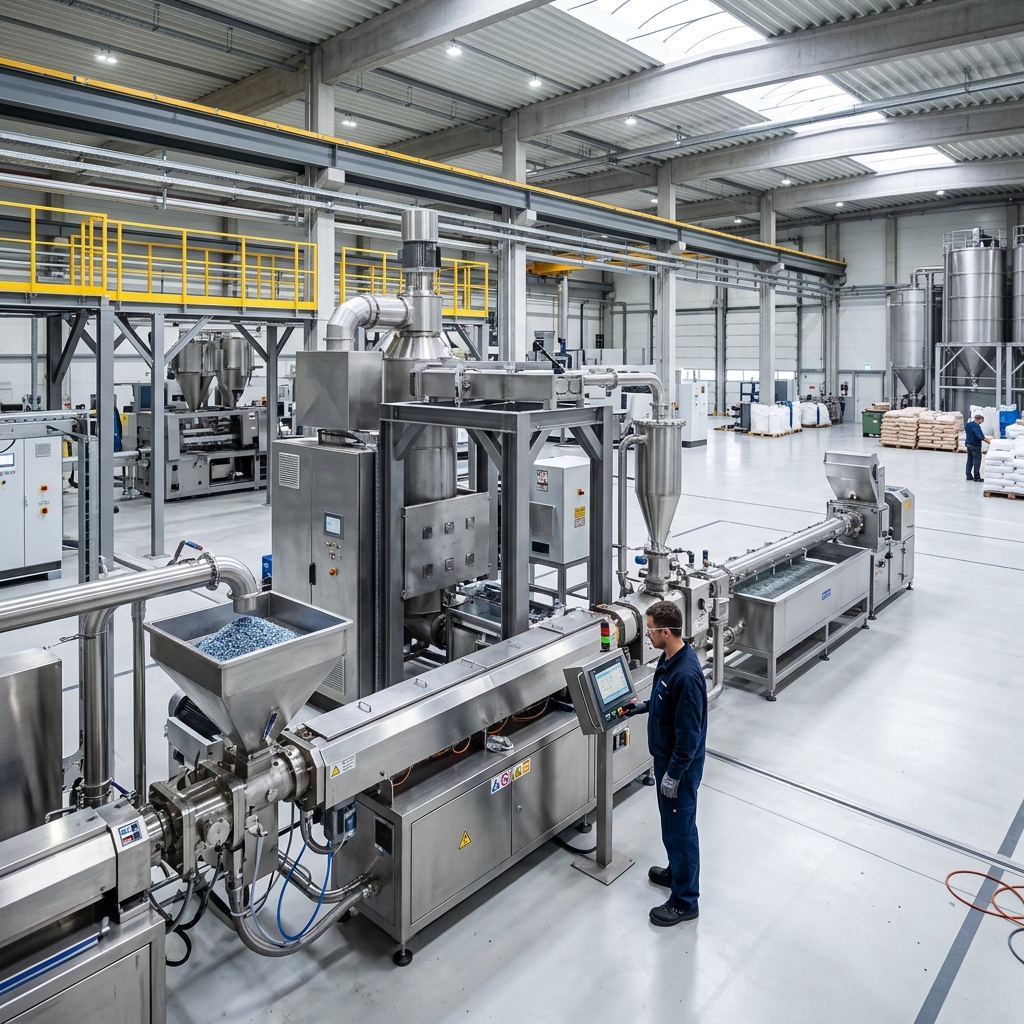
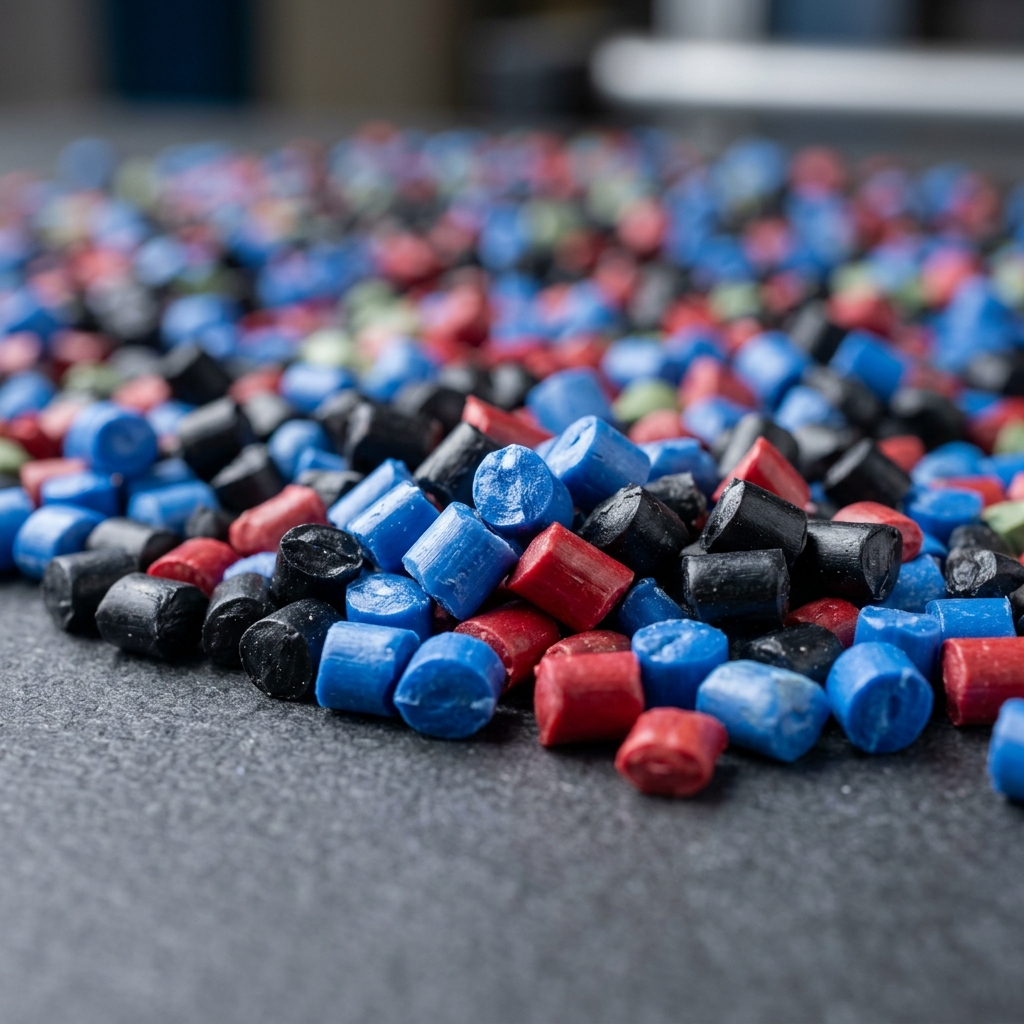
At Forge Renewables, we are proud to drive India’s circular economy from our Palghar facility. By utilizing modern mechanical sorting, washing, and extrusion systems, we convert post-industrial scrap into consistent, premium plastic granules for industrial reuse.